Saving our lakes using the terror named water hyacinth.
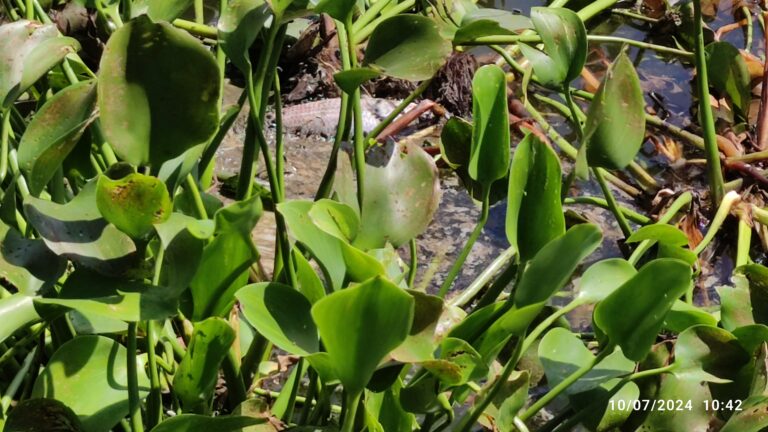
Water hyacinth is an invasive aquatic species that is considered the worst weed on Earth. It grows at an extremely fast rate and doubles in area in less than 15 days. Every year, the biomass created by water hyacinth plants growing in lakes with the nutrient load of most lakes in Bengaluru is around 1400 tonnes per hectare. Dense mats of this weed on the surface of the water block sunlight and prevent aeration of the water. This severely reduces the dissolved oxygen of water and doesn’t allow fish or other native plants and animals to grow. As the biomass of the weed sinks in the water, it creates a thick organic layer on the lake bed, which disrupts the recharge of the water table. Evapotranspiration from lakes covered by water hyacinth increases water loss by over 1.5 times.
The same characteristics of water hyacinth that make it a menace can be used to help purify lake water. To sustain the amazing rate at which this weed grows, it has to absorb large amounts of N and P from the water. This can help decrease pollution from the water bodies. In addition, water hyacinth is also a hyperaccumulator of other organic and inorganic pollutants, like heavy metals, and chemicals very difficult to treat using conventional wastewater treatment systems.
But utilizing water hyacinth as a means to purify water requires strict control over the growth of the weed, and it has to be harvested frequently. This is essential to prevent the weed from dying in the water, as that returns the pollutants absorbed back into the water along with carbon. The harvested water hyacinth also has to be processed and converted into products like biogas, compost, biochar, paper, handicrafts, etc. This is required to create vacant land for keeping the harvested biomass and preventing pollutants from returning to the water or going into the air.
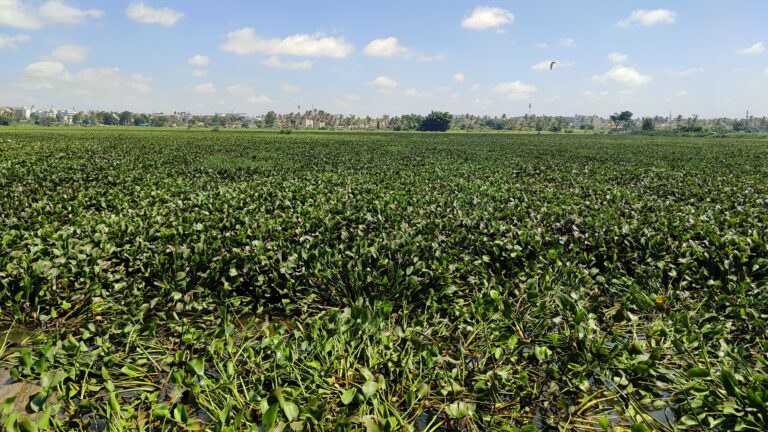
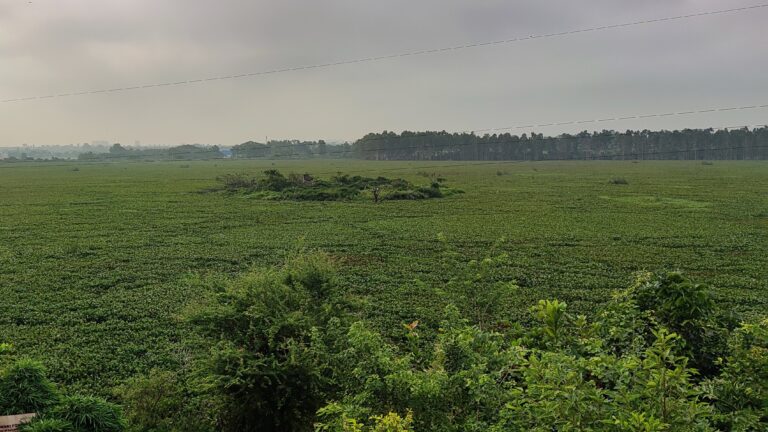
As seen above, the water hyacinth that covers 75% of Hennagara Lake for over 9-10 months of the year, makes it impossible for fishing in the Lake, as fish die from the extremely low dissolved oxygen in the lake water, and fishermen can’t row their boats in the weed. For this area of water, the annual evapotranspiration loss of water is around 450 million liters of water.
Our proposed solution
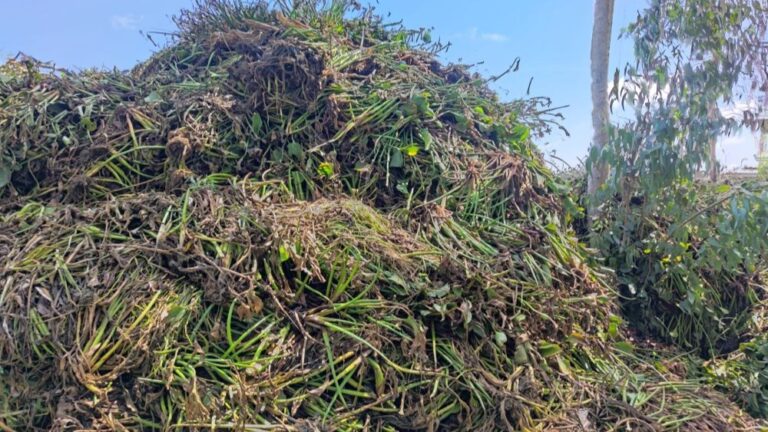
In our struggle to remove the weed from the lake in the last two years, we find that the most cost-effective way is to push the water hyacinth towards an excavator on the lake shore. The collected weed would be processed to create the following:
Compost: This only requires an adequate area for decomposition of the weed and machinery to cut it into smaller pieces to speed up the process.
Biochar: We are collaborating on this with Mr. Walter Danner of Char2Cool, an organisation that has been working for the last 26 years to deal with water hyacinth in the lakes of Africa. The carbon-sequestration potential of water hyacinth biochar is tremendous, and so is the improvement in farm fertility. Walter’s experience in this area will allow us to provide proper carbon credit certifications, especially for companies based in Europe that are required by law to move towards becoming carbon neutral.
Paper: Water hyacinth with a high cellulose content is ideal for making paper. We plan to start with handmade paper and paper products. We are collaborating in this initiative with Sushmita Krishnan, an ecologist from Trichy who is doing her research on water-hyacinth-based paper in SDW Hamburg e.V.
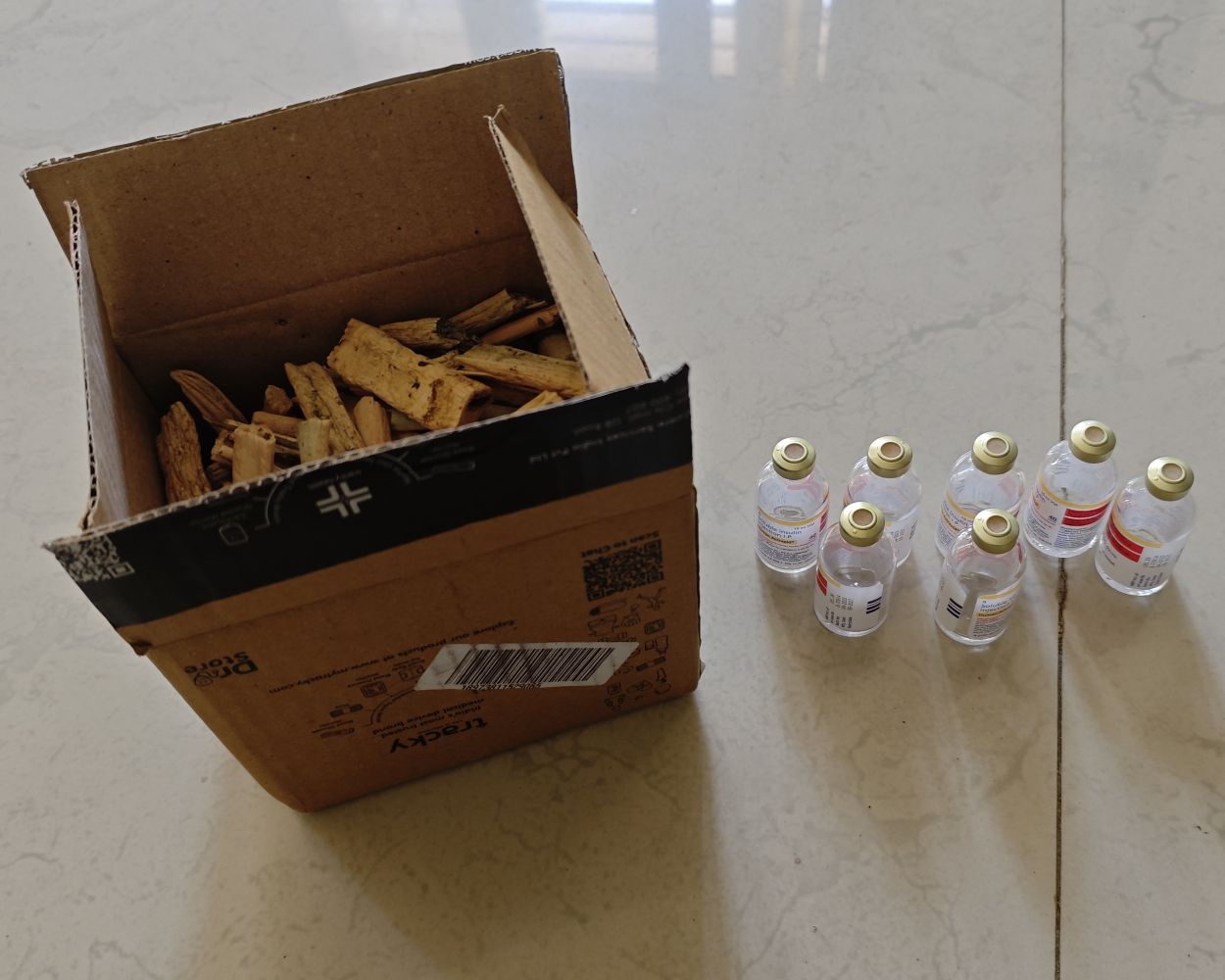
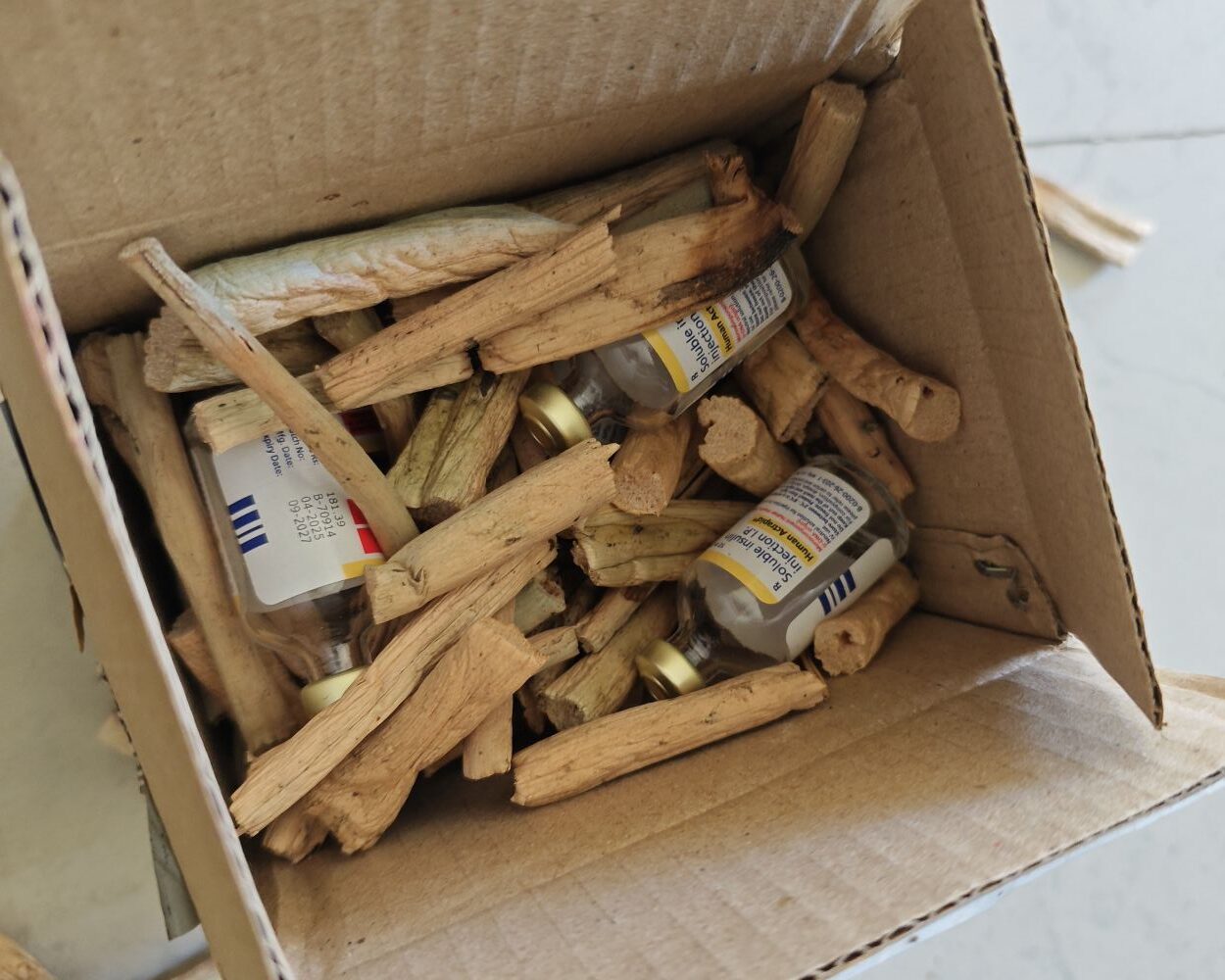
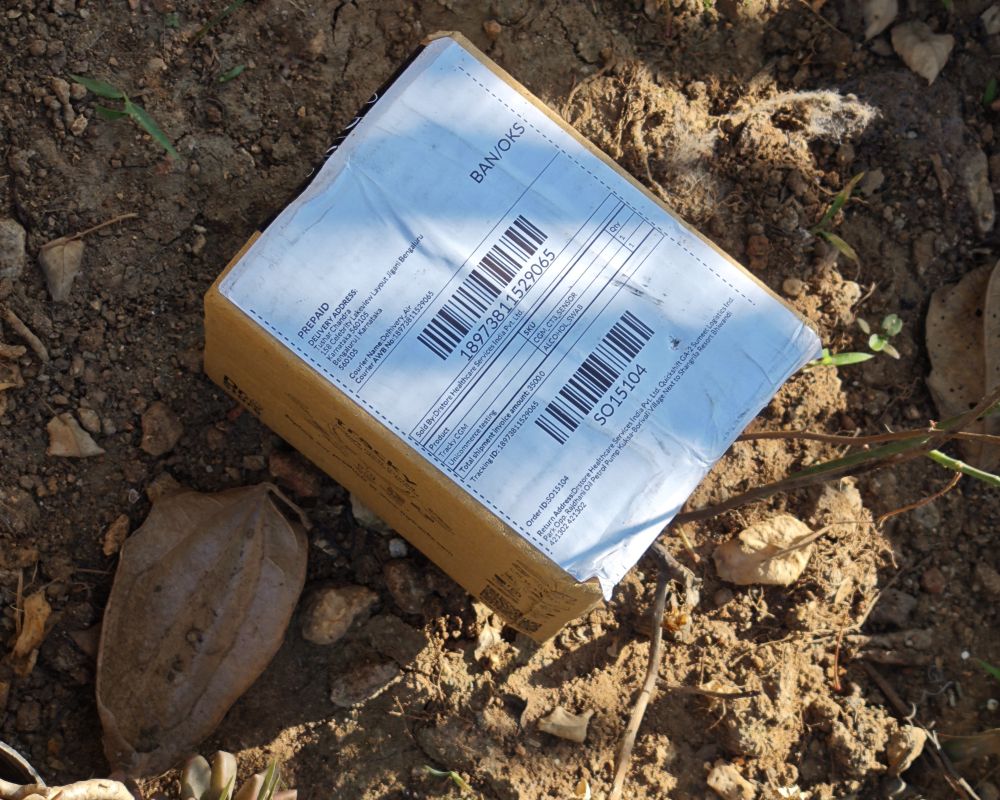
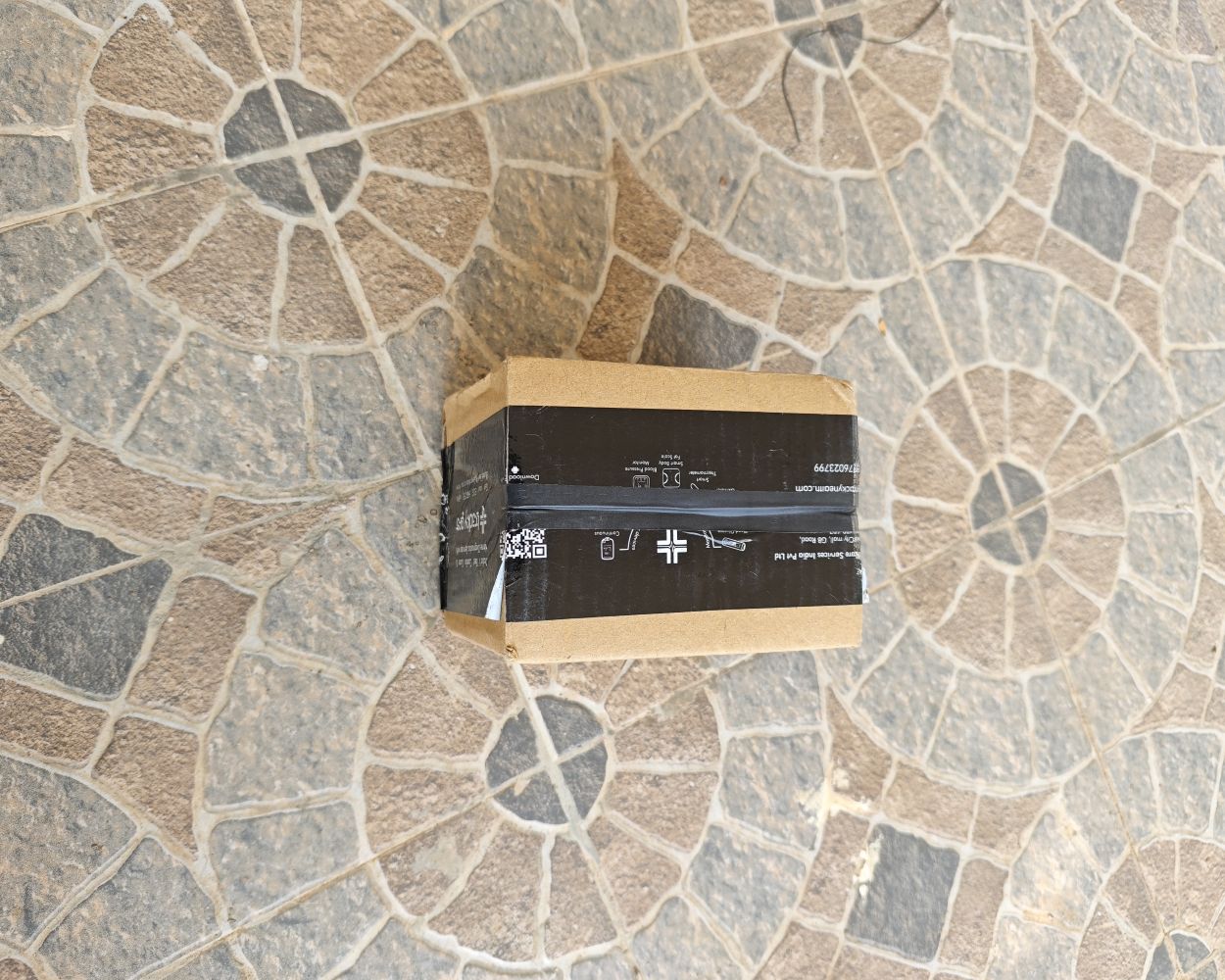
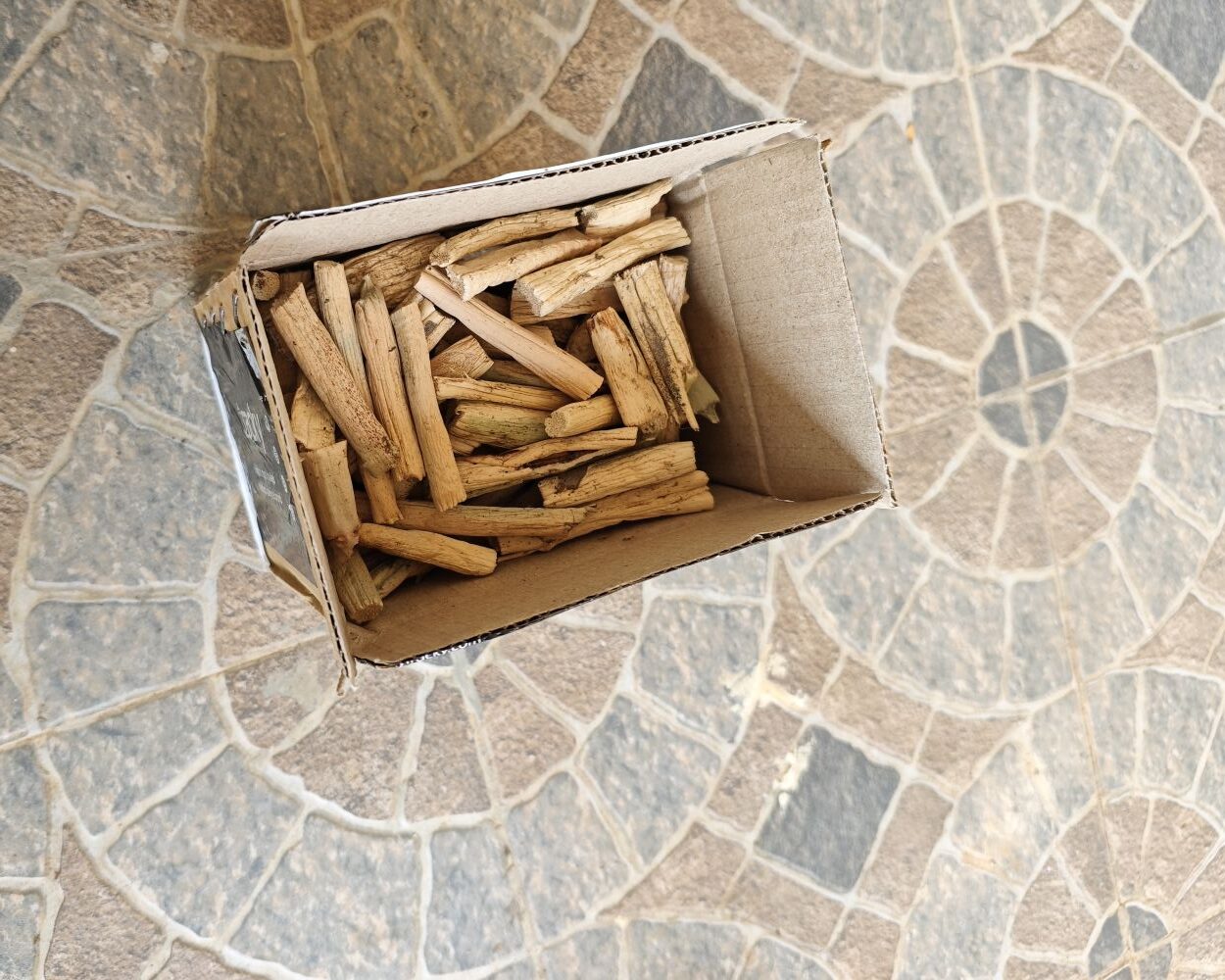
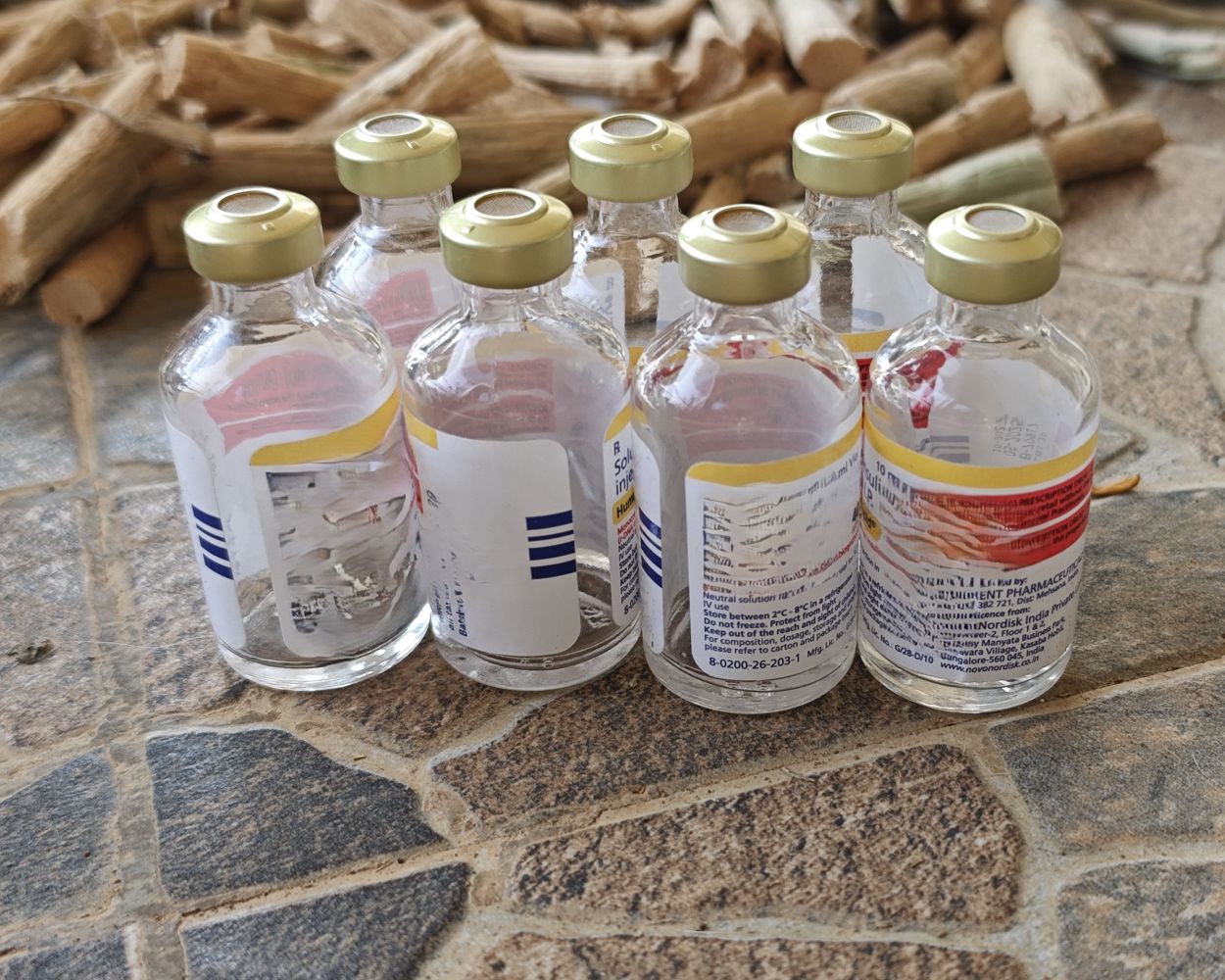
Packaging: Water hyacinth stem, when dried properly to ensure it does not collapse and remains airy, forms a light packing material that can be used to replace bubble wrap and foam. This is an environmentally sustainable alternative that can be used to pack several types of products. In our experiment, we used the dry stems to fill a cardboard box in which glass bottles were placed. All the bottles remained safe even when they were thrown down from a height of 25 ft.